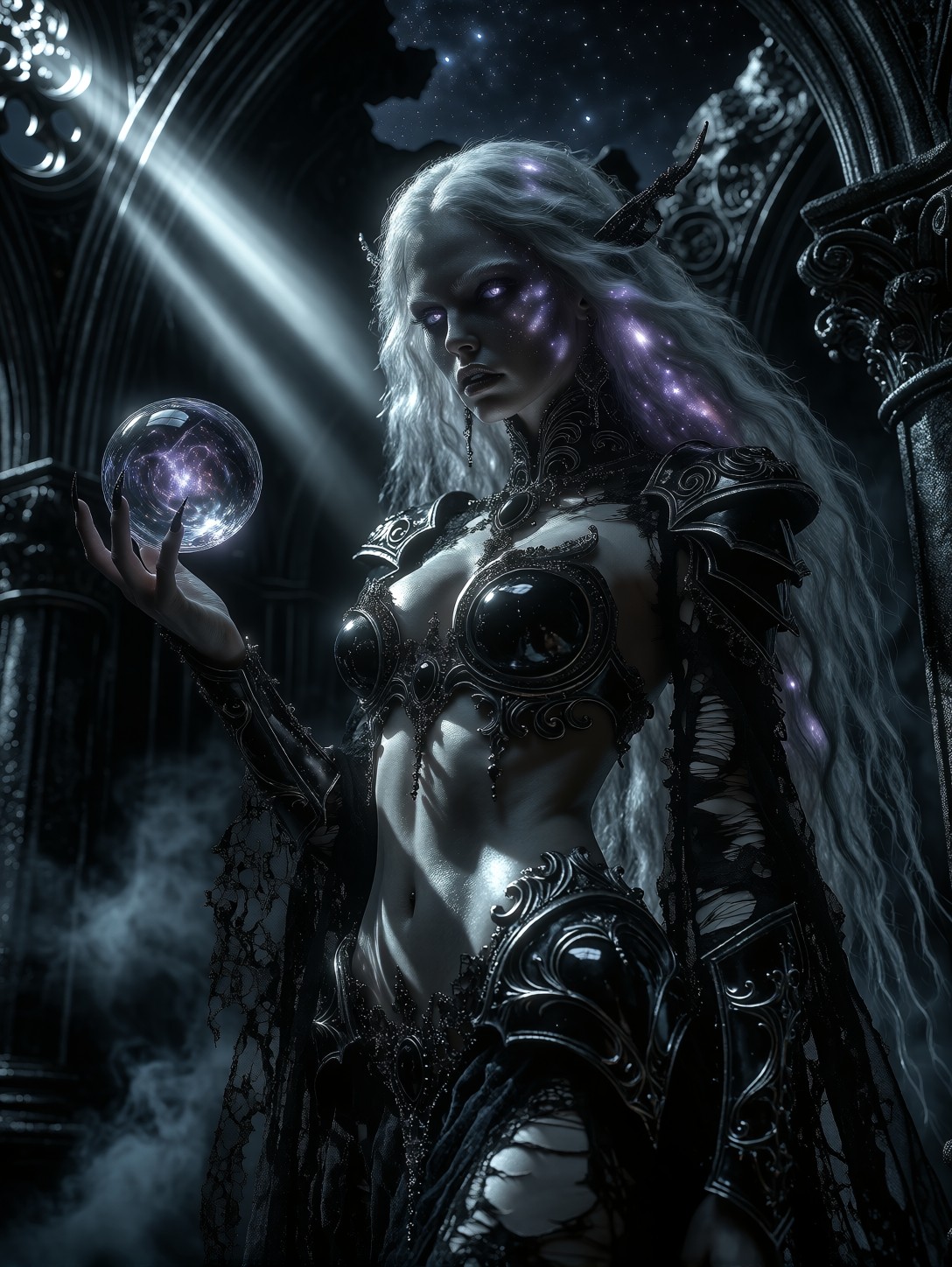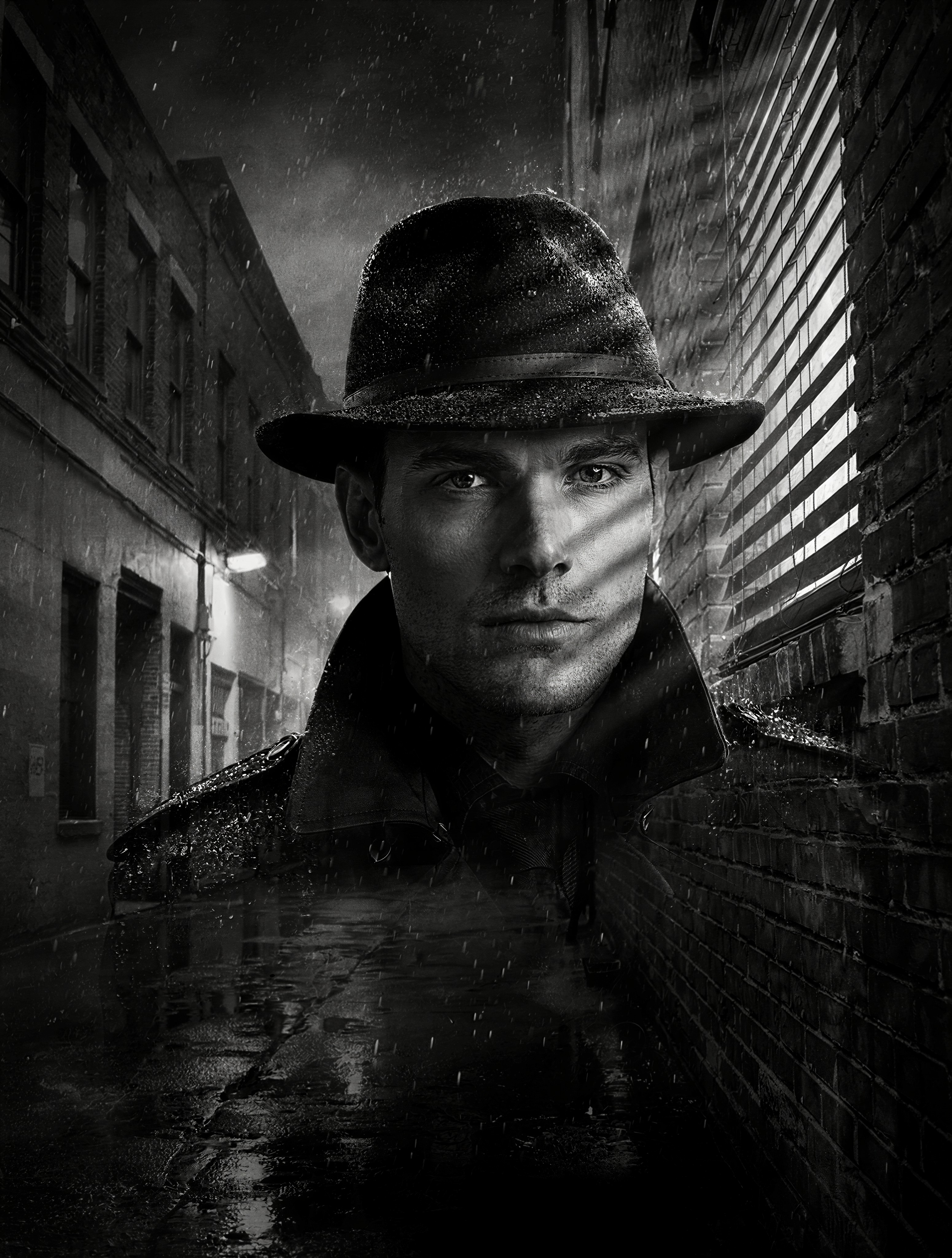

Fog Swallowing Asphalt: How This Desaturated Cinematic Scene Works
Peeling rust clinging to a solitary red metal frame suspended over empty asphalt — the kind of detail that usually gets lost in wide shots, yet here it anchors an entire mood. This prompt pairs desaturated night palettes with razor-thin depth of field to force the viewer’s eye exactly where the story lives: on water droplets frayed fur or rain-slicked trench coats. Proxima Aurelia 2 takes that raw documentary brief and layers in intelligent composition, letting heavy fog swallow the background while keeping the foreground textures razor-sharp. The result feels less like a staged scene and more like a stolen glimpse into a quiet, cinematic moment. It leans heavily on chiaroscuro shadows and authentic film grain to sell the weight of isolation, turning simple urban decay into rich visual storytelling.
Editorial Spreads, Concept Boards, and Atmospheric Covers
This desaturated documentary style is built for storytelling that relies on atmosphere rather than action. It works exceptionally well as cover art for psychological thrillers, concept boards for moody music videos, or editorial spreads exploring urban isolation. The heavy fog and shallow depth of field naturally compress the scene, making it ideal for vertical posters or mobile-first layouts where foreground detail carries the narrative.
Landscape compositions will flatten the chiaroscuro effect unless you carefully separate your subject from the background mist. Stick to 1344×928 for cinematic horizontal framing, or drop to 768×1344 if you need that vertical portrait crop for album art or social campaigns.
Settings for Proxima Aurelia 2 — Guiding Intelligent Composition
Proxima Aurelia 2 delivers exceptional aesthetics and intelligent composition, meaning it requires less heavy-handed prompting than previous generations. It will naturally balance your lighting cues without fighting for control, but you still need to guide its mood precisely.
- true_cfg_scale:
3.0–3.5— keeps the desaturated tones from clipping into harsh blacks or blown-out whites - Steps: 24–30 for maximum film grain and texture rendering; 12 steps only if testing composition
- Resolution:
1080×1920for vertical editorial,1664×928for widescreen cinematic shots
Aurelia 2 leans into rich visual storytelling by default. Let the model handle the atmospheric blending; over-prompting fog density will collapse the scene into flat grey.
Managing the Melancholy Cinematic Photography LoRA
Your Melancholy Cinematic Photography LoRA is loaded at 1.00, meaning its influence is absolute. This guarantees the shallow depth of field and subdued color grade will dominate completely.
- Full cinematic weight (
1.00): Locks in the heavy bokeh, desaturated grade, and contemplative mood perfectly for this specific prompt - Reduced influence (
0.60–0.80): Use if you want to blend this style with another LoRA or keep some natural color fidelity in the background - Combining styles: At
1.00, pair it only with texture-focused LoRAs (like8k Resolutionat0.40) to enhance grain without fighting the color grade
Five Ways to Shift the Melancholy Mood
5 Specific Variations for This Cinematic Style
- Erase the isolation: Replace "solitary man sitting" with "two figures standing apart, umbrellas dripping, avoiding each other's gaze" — shifts the narrative from personal loneliness to shared, unspoken tension while keeping the desaturated palette
- Erase the isolation: Replace "solitary man sitting" with "two figures standing apart, umbrellas dripping, avoiding each other's gaze" — shifts the narrative from personal loneliness to shared, unspoken tension while keeping the desaturated palette
- Erase the isolation: Replace "solitary man sitting" with "two figures standing apart, umbrellas dripping, avoiding each other's gaze" — shifts the narrative from personal loneliness to shared, unspoken tension while keeping the desaturated palette
- Erase the isolation: Replace "solitary man sitting" with "two figures standing apart, umbrellas dripping, avoiding each other's gaze" — shifts the narrative from personal loneliness to shared, unspoken tension while keeping the desaturated palette
Two Prompts Ready to Generate
These two examples adapt the second variation (warm color grade) and the third variation (heightened tension) directly into generation-ready prompts optimized for Aurelia 2's composition engine.
Variation: warm tungsten palette — replacing cold neon with amber streetlamps and wet glass reflections to create a nostalgic, late-night diner aesthetic
Melancholy Cinematic Photography. A muted documentary portrait of a man on a wet bench outside a diner entrance, hunched in a worn trench coat staring at rain-slicked boots reflecting warm amber streetlamps through frosted glass. Dense fog blurs distant traffic into soft glowing orbs. Palette heavy with indigos, olive tones, and tungsten golds. Soft light highlights rain on his shoulders and somber posture. Raw atmospheric depth, heavy bokeh, desaturated grade, shallow DOF, authentic film grain, 8k resolution.
Variation: heightened tension — replacing the muted rust-red with a stark crimson warning barrier to shift the mood from quiet contemplation to visual unease
Melancholy Cinematic Photography. A haunting night shot of a rusted industrial lot in empty asphalt. A weathered crimson warning barrier stands isolated, peeling paint under cold moonlight. Thick fog swallows the background, dissolving floodlights into pale halos. Near monochrome dominated by slate greys, muted teals, and aggressive crimson. Micro-details capture droplets on corroded links and cracked concrete. Ultra-realistic documentary style, moody chiaroscuro shadows, razor-thin DOF, natural grain, 8k resolution.
More Atmospheric Storytelling in This Direction
If you want to keep pushing this desaturated, atmospheric storytelling aesthetic, these related prompts explore similar moody compositions from different angles: