
Symmetry as Oppression: The Hotel Corridor's Silent Terror
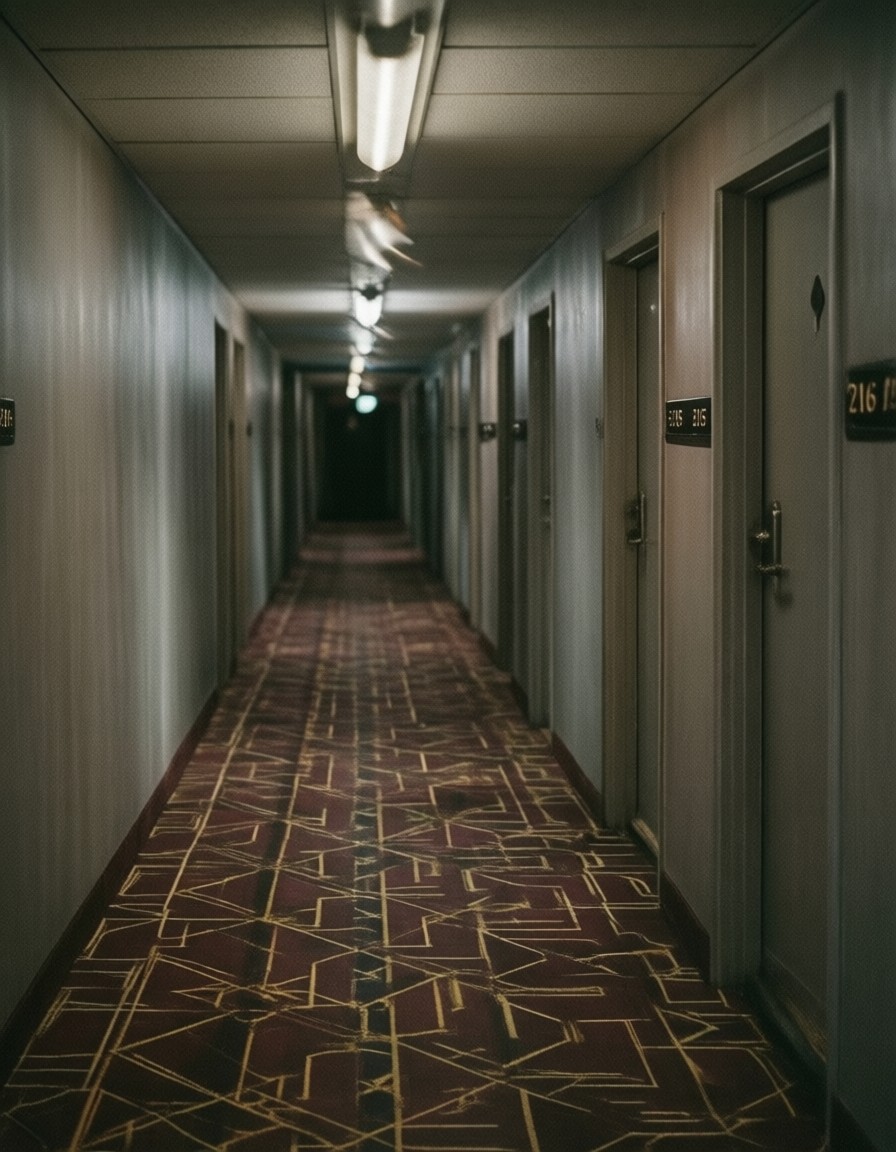
The corridor's horror isn't in its emptiness but in its perfection — every door identical, every brass number polished to a cruel sheen, the carpet's geometric pattern repeating like a cursed mantra. Qwen Image 2512 renders this liminal space with clinical precision, making the symmetry feel less like design and more like a psychological trap.
Flickering fluorescent lights create a strobe effect that fractures the scene into jagged slices of shadow and cold light. The absence of windows and exits isn't just spatial — it's existential, a void that swallows the viewer's sense of direction. This isn't a corridor; it's a metaphor for entrapment made tangible.
Horror Concept Art and Psychological Thrillers
This prompt is a goldmine for horror filmmakers needing a "nothing is what it seems" visual motif, or game designers building atmospheric tension in first-person horror experiences. The repeating door numbers work best in 16:9 format — the wide aspect ratio emphasizes the corridor's infinite repetition without cropping the critical details.
For maximum impact, avoid vertical crops that might lose the horizontal rhythm of the geometric pattern. The model's text rendering accuracy ensures those room numbers stay legible even in low light variations.
Optimizing Qwen Image 2512 for Textured Horror
Qwen Image 2512's strength in text accuracy means the room numbers will remain crisp even under flickering light. For this prompt, use cfg_scale=4.0 to preserve the contrast between light and shadow without over-saturating the colors.
- Steps: 25 for full detail; 12 for quick previews of composition
- Resolution:
1664×928(16:9) — ideal for cinematic framing - LoRA Weight: Horror 1980x at
0.80adds VHS grain and 1980s horror lighting without overpowering the base model's precision
At cfg 4.0 and 25 steps, the model maintains the flickering light's rhythm while keeping the geometric carpet's pattern sharp — crucial for maintaining the corridor's oppressive symmetry.
Horror 1980x Style Integration
- Weight 0.80: Adds subtle VHS tape grain and desaturated color shifts that enhance the eerie atmosphere without distorting the original geometry
- Weight 1.00: Introduces more pronounced film grain and slightly warmer tones, mimicking the look of analog horror footage
For maximum effect, pair with a low saturation parameter to maintain the muted burgundy and gold palette while enhancing the horror LoRA's influence.
Five Ways to Push the Hotel Corridor Further
5 Targeted Variations for This Prompt
- Shift the setting: Replace "hotel corridor" with "abandoned psychiatric ward" — the brass numbers become institutional, the symmetry takes on a clinical coldness
- Change the lighting: Swap "fluorescent lights" with "neon signs leaking through cracked walls" — adds color contrast and a more urban decay feel
- Add a figure: Add "a shadowy figure partially visible in door 214, face obscured" — introduces narrative tension and breaks the perfect symmetry
- Alter the pattern: Change "geometric carpet" to "tile mosaic with cracked glass" — introduces fragility and potential for light refraction
- Reframe the mood: Replace "eerie stillness" with "distant muffled screams" — adds auditory context that the model can translate into visual tension through light distortion
Two Prompts Ready to Generate
Apply two of the variations above directly — both are tuned for Qwen Image 2512 at the settings recommended above.
Variation: abandoned psychiatric ward — same corridor but with institutional coldness, cracked tiles, and muted color palette
Liminal Space. A long, empty psychiatric ward corridor with repeating cracked tile mosaic pattern in muted burgundy and gold. Doors on both sides identical, all closed, room numbers visible: "214", "215", "216" in rusted brass numerals. Flickering fluorescent lights overhead, creating rhythmic pattern of light and shadow. End of corridor fades into darkness. No windows, no exits visible, suffocating symmetry, eerie stillness
Variation: neon-drenched decay — replaces fluorescent lights with neon signs, adds shadowy figure in door 214
Liminal Space. A long, empty hotel corridor with repeating geometric carpet pattern in neon-pink and gold. Doors on both sides identical, all closed, room numbers visible: "214", "215", "216" in brass numerals. Flickering neon signs overhead, creating rhythmic pattern of light and shadow. End of corridor fades into darkness. No windows, no exits visible, suffocating symmetry, eerie stillness. A shadowy figure partially visible in door 214, face obscured
More Liminal Spaces in This Direction
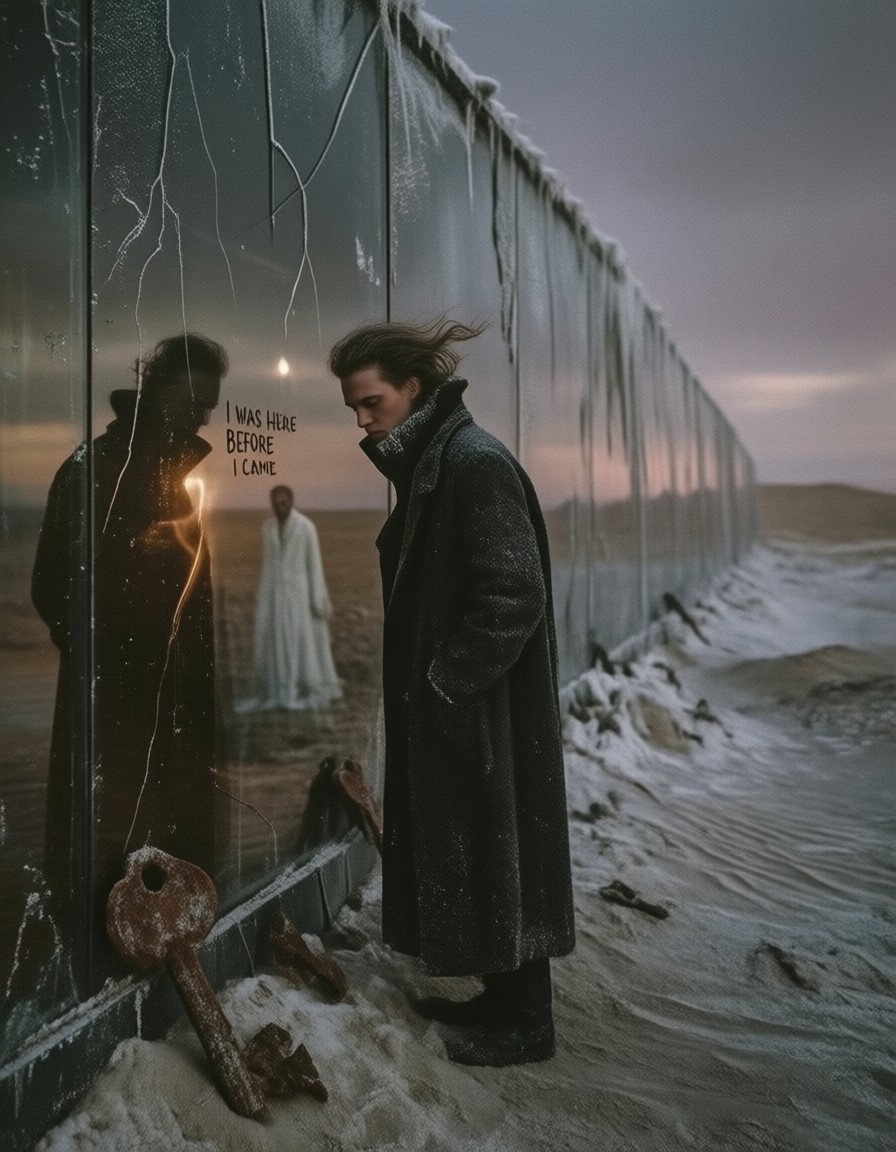
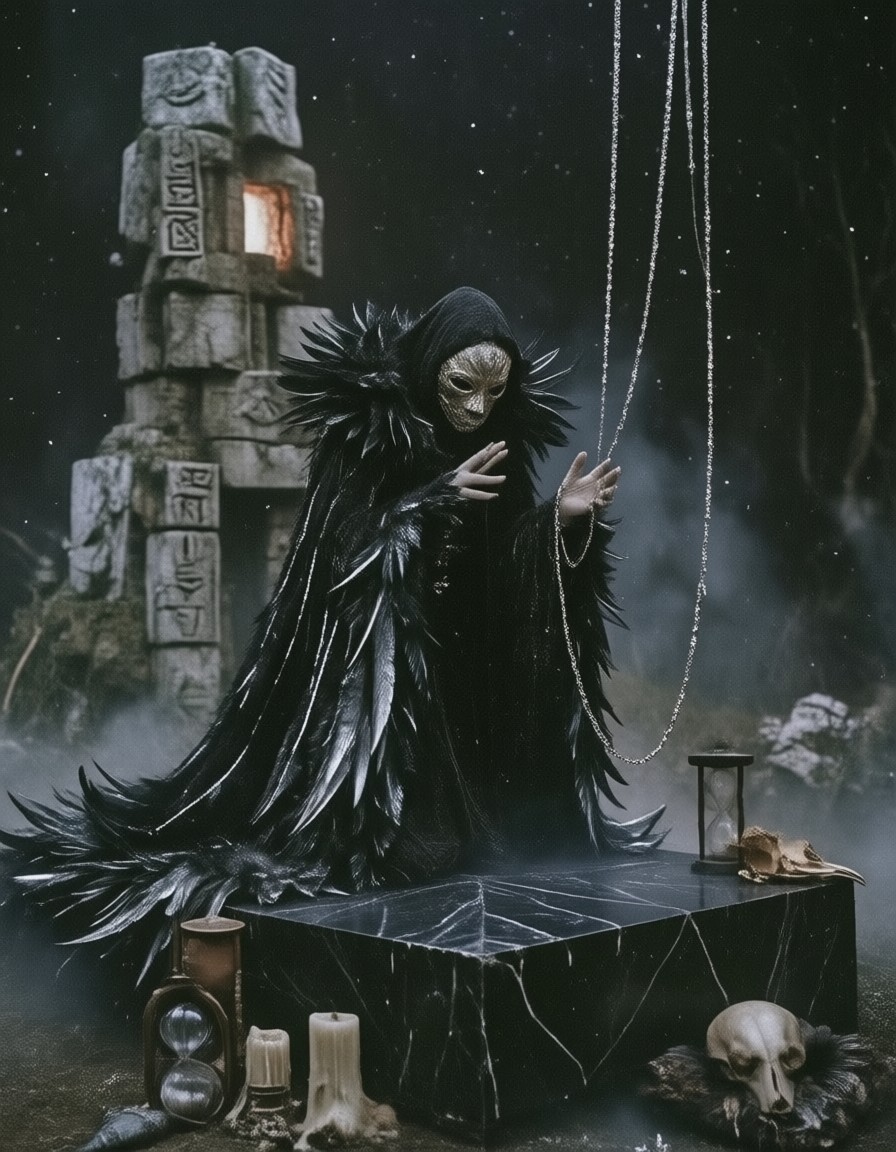
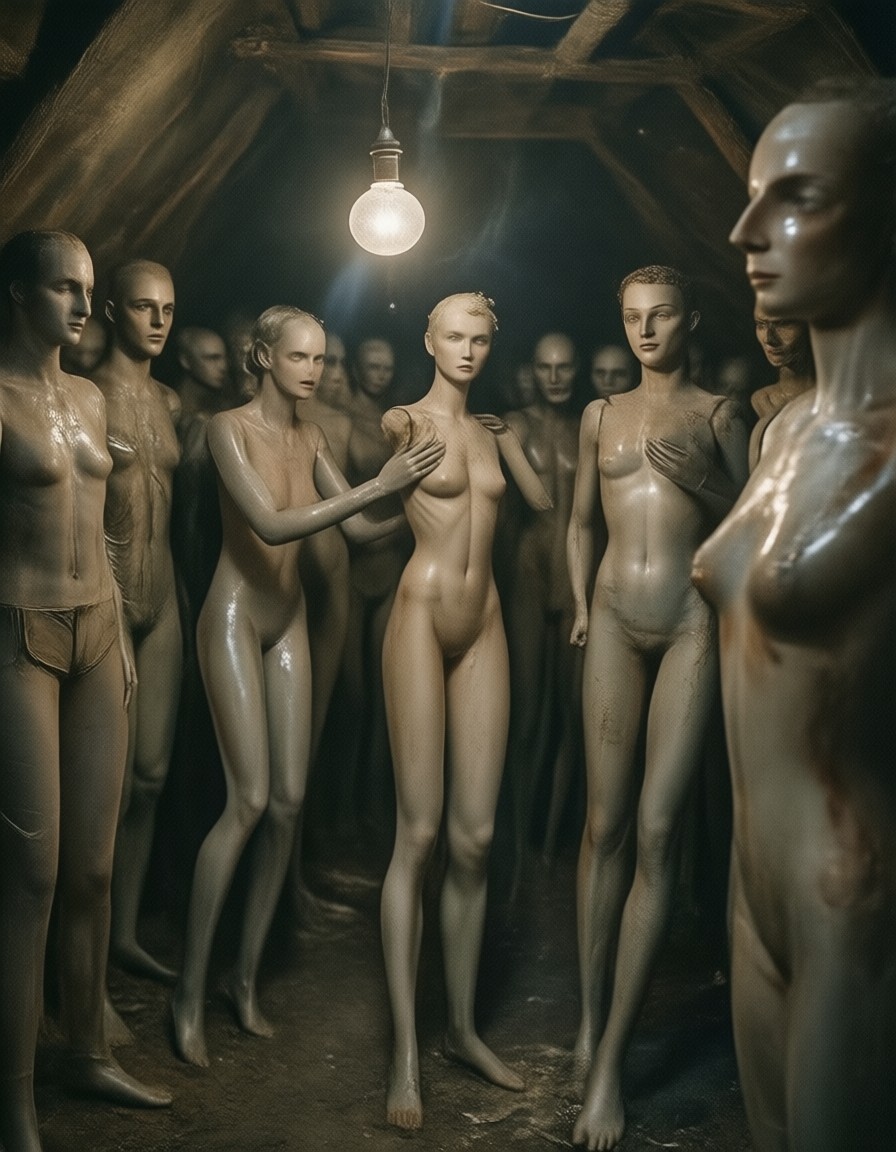
Other prompts in this category explore similar themes of entrapment and existential dread from different angles — frozen deserts, decaying dollhouses, ritual altars: