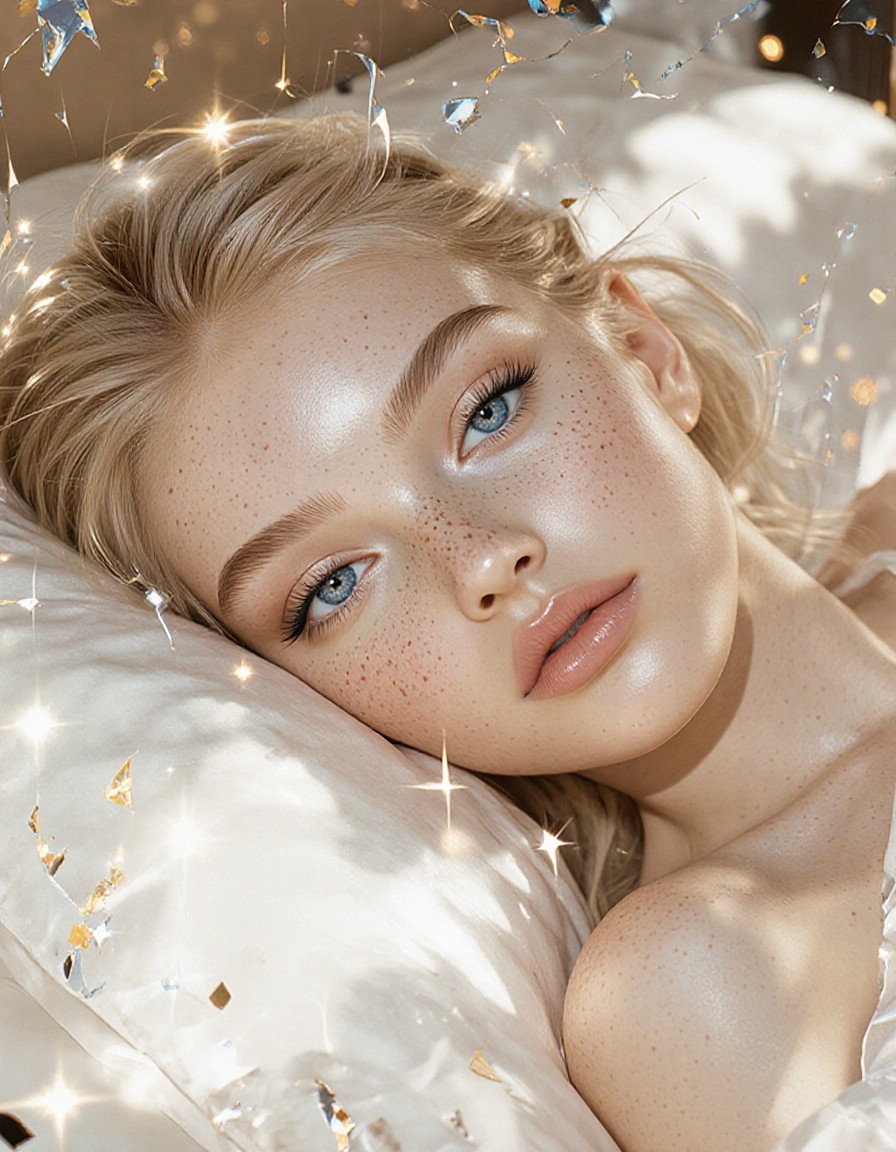
Proxima Veritas
A Masterclass in Photorealism: The Science Behind Proxima Veritas
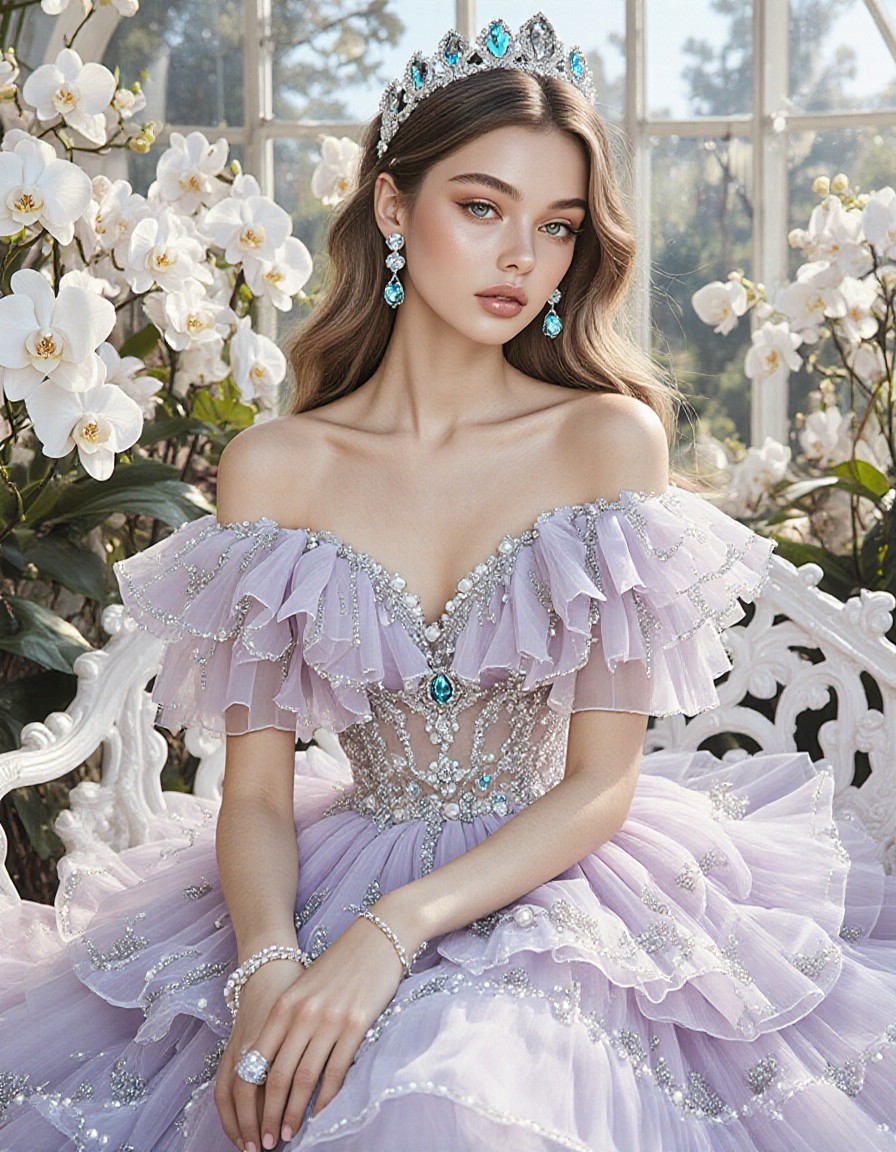
At the heart of Proxima Veritas lies a revolutionary approach to image generation that transcends traditional AI artistry. This model, built upon the Flux Maestro architecture with a unique blend of LoRA fine-tunings, specializes in creating visuals that literally fool the eye. Unlike generic AI models that often struggle with lighting consistency or material accuracy, Proxima Veritas delivers photorealistic results that could pass for high-end cinematography stills. Available exclusively on Proxima.art, this model is the go-to choice for professionals needing uncompromising realism in their visual outputs.
Where Proxima Veritas Shines: 5 Unmatched Visual Capabilities
- Micro-Textural Precision: Captures the exact grain of wood, the subtle weave of fabric, and the precise reflection patterns on glass with scientific accuracy
- Dynamic Lighting Physics: Simulates natural light interaction with materials using advanced ray-tracing algorithms, producing shadows and highlights that behave exactly as they would in reality
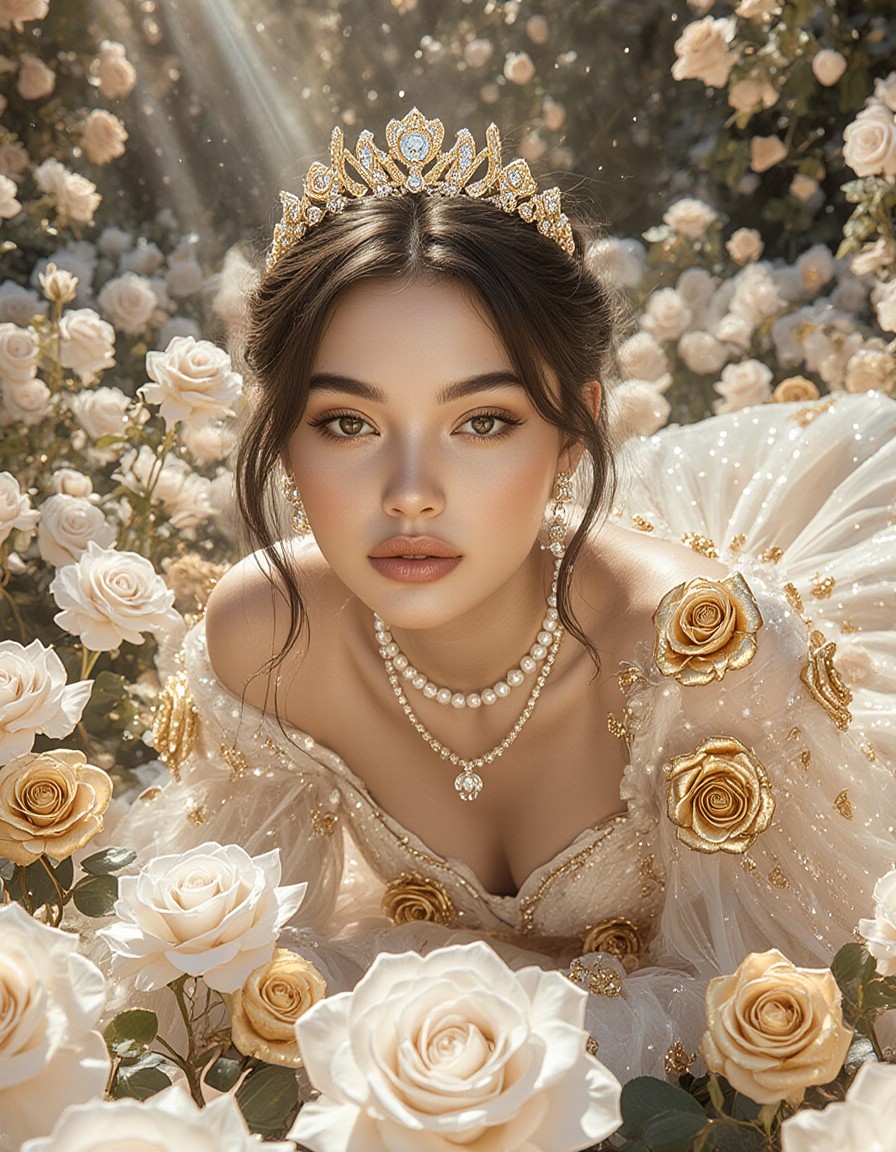
- Human Skin Realism: Achieves lifelike skin textures with accurate pore structure, realistic blood flow patterns, and natural lighting effects that make subjects appear "alive"
- Architectural Accuracy: Creates photorealistic building exteriors with precise material textures, accurate perspective geometry, and realistic weathering effects
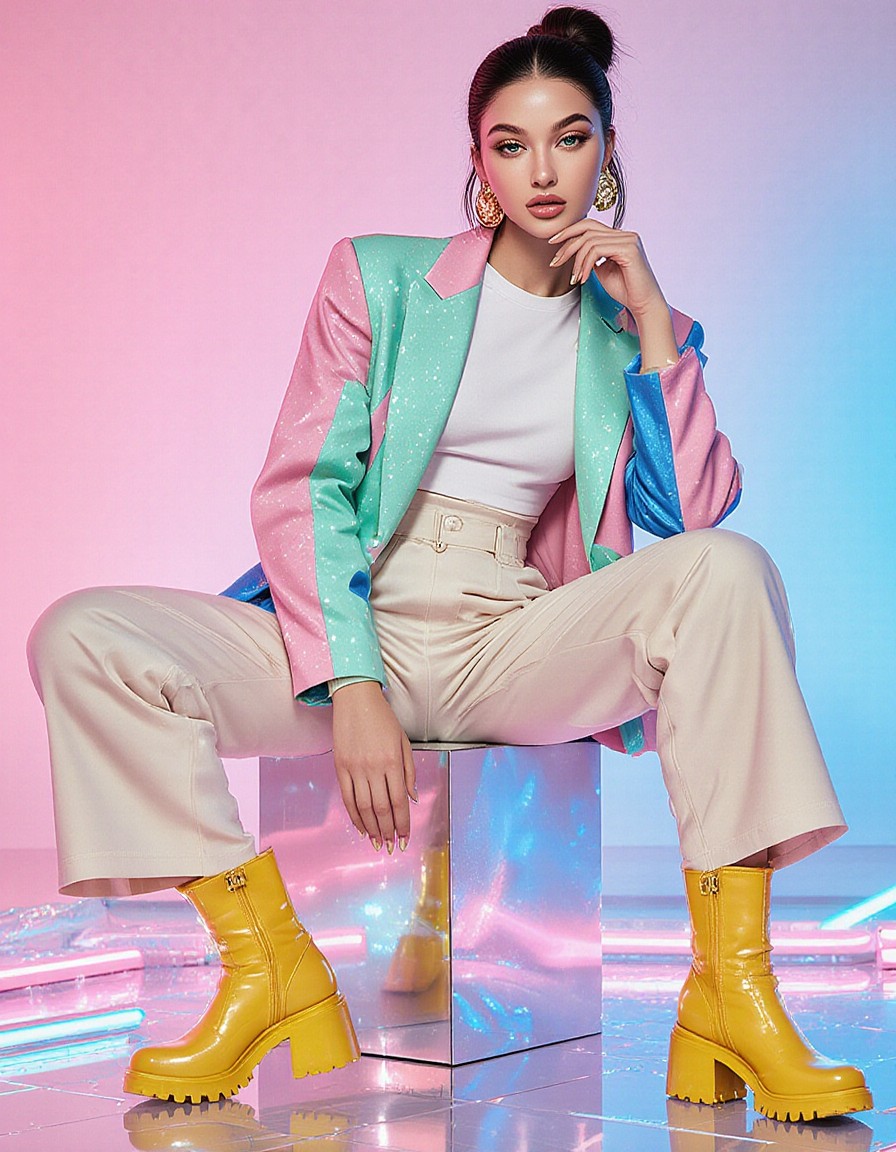
- Product Photography Quality: Generates e-commerce-ready images with studio-quality lighting, precise product dimensions, and accurate color reproduction
When to Use Proxima Veritas: 4 Real-World Applications
While this model excels at realism, it's not a one-size-fits-all solution. Here are specific scenarios where Proxima Veritas delivers exceptional results:
- Creating product visuals for luxury fashion brands requiring studio-quality images
- Generating architectural visualizations with precise material representations
- Producing photorealistic portraits for identity verification systems
- Creating training materials for visual arts education with scientifically accurate references
Optimizing Your Proxima Veritas Results: Key Settings Guide
To unlock the full potential of Proxima Veritas, follow these optimized generation parameters:
cfg_scale: 7.5 (recommended for balancing realism and creativity)steps: 45-50 (ensures full resolution without over-processing)resolution: 4K (preferred for maximum detail retention)aspect_ratio: 16:9 or 1:1 (best for product and portrait photography)
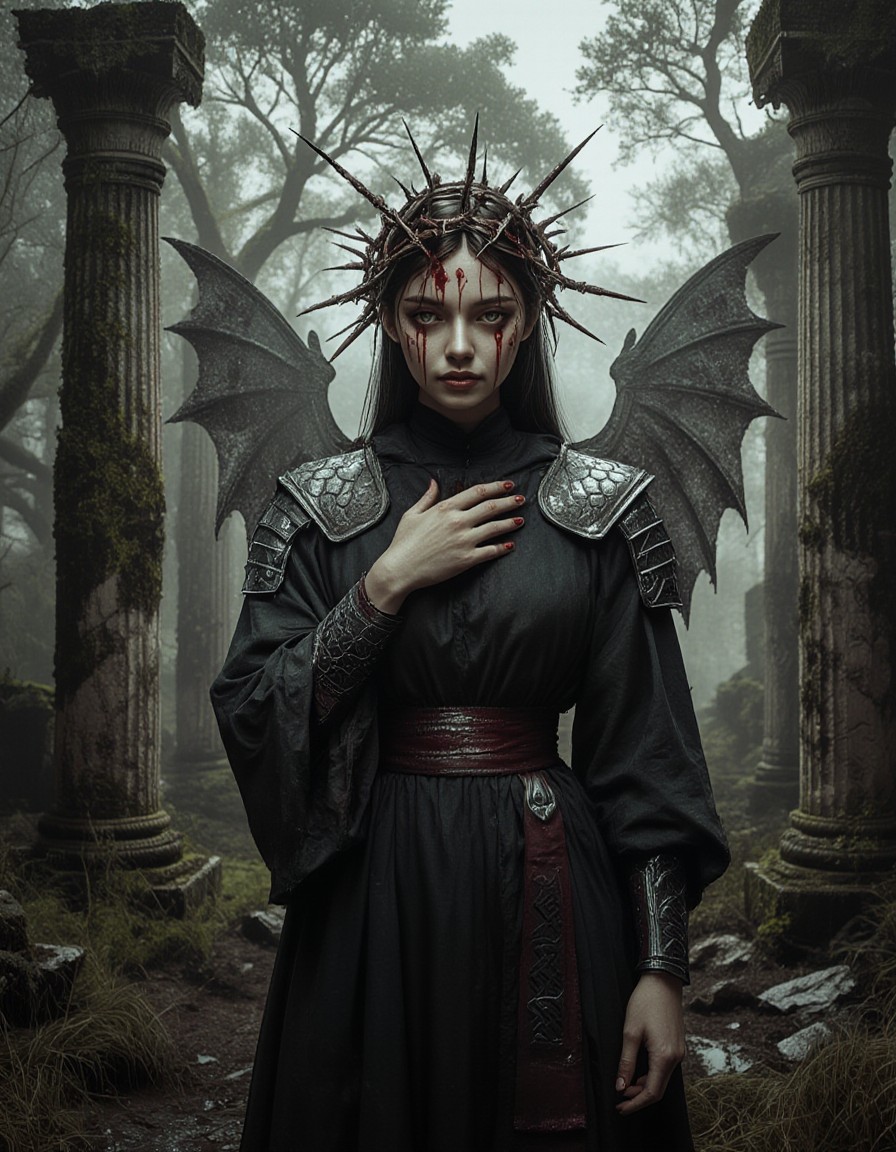
Tip: Avoid using fantasy-related terms in prompts. Proxima Veritas' realism engine may misinterpret creative concepts as technical errors, leading to suboptimal results.
Enhancing Realism with Built-in LoRA Styles
Proxima Veritas comes with two specialized LoRA styles that enhance realism when used appropriately:
- Porcelain Beauty (weight: 40): Adds hyper-detailed facial textures with a subtle doll-like perfection, ideal for portrait photography where slight stylization is acceptable
- Luxury Sparkle (weight: 40): Introduces refined light reflection patterns perfect for high-end fashion and jewelry visuals, adding a touch of elegance without compromising realism
These styles should be used sparingly in professional contexts where a touch of artistic enhancement complements rather than replaces photographic realism.
Available on Proxima.art
Discover Proxima Veritas and other advanced AI models on Proxima.art, the leading platform for premium AI image and video generation.
The Realism Benchmark for Modern AI
In an era where AI-generated content is becoming indistinguishable from reality, Proxima Veritas sets a new standard for photorealistic image generation. Whether you're creating product visuals, architectural renderings, or scientific illustrations, this model delivers results that are scientifically accurate and visually stunning. With its unique combination of Flux Maestro architecture and specialized LoRA enhancements, Proxima Veritas is the ultimate tool for professionals demanding uncompromising realism in their visual outputs.